Essential Tools Every Fashion Designer Needs
- Diksha Bhatia
- Feb 18
- 4 min read

Fashion design is a vibrant and dynamic field that requires a blend of creativity, technical skills, and the right tools. Whether you are a budding designer or an established professional, having the essential tools at your disposal can significantly enhance your design process and help bring your visions to life. In this blog post, we will explore the must-have tools that every fashion designer should consider incorporating into their toolkit.
Understanding the Basics of Fashion Design
Before diving into the specific tools, it’s crucial to understand the fundamental aspects of fashion design. Fashion design involves creating clothing and accessories that are not only aesthetically pleasing but also functional. Designers must consider various elements, including fabric selection, color theory, pattern making, and garment construction.
The Importance of Having the Right Tools
Having the right tools can streamline the design process, allowing designers to focus on creativity rather than logistics. The right tools can also improve accuracy, enhance productivity, and ultimately lead to better-quality designs. Below are some essential tools that every fashion designer should have.
Essential Tools for Fashion Designers
1. Sketching Tools
Sketching is the foundation of fashion design. It allows designers to visualize their ideas before moving to the actual garment construction. Here are some essential sketching tools:
Pencils and Erasers: A good set of pencils in various hardness levels is essential for sketching. Erasers help refine designs by allowing for corrections.
Markers and Colored Pencils: These are great for adding color to sketches, helping to convey the mood and style of the design.
Sketchbooks: A high-quality sketchbook provides a dedicated space for designers to jot down ideas and create initial designs.
2. Fabric Swatches
Understanding fabric is crucial in fashion design. Designers should collect fabric swatches to help visualize how different materials will look and feel in their designs. This collection can also serve as a reference for color matching and texture selection.
3. Measuring Tools
Accurate measurements are vital in fashion design. Here are some measuring tools that every designer should have:
Measuring Tape: A flexible measuring tape is essential for taking body measurements and ensuring garments fit well.
Rulers and French Curves: These tools help in creating precise lines and curves in patterns and sketches.
4. Pattern Making Tools
Creating patterns is a significant part of the design process. The following tools are essential for pattern making:
Pattern Paper: This special paper is used to create patterns for garments. It is typically thicker and more durable than regular paper.
Scissors and Rotary Cutters: Sharp scissors and rotary cutters are necessary for cutting fabric and pattern pieces accurately.
5. Sewing Tools
Once the design is finalized, sewing tools come into play. Here are some essential sewing tools:
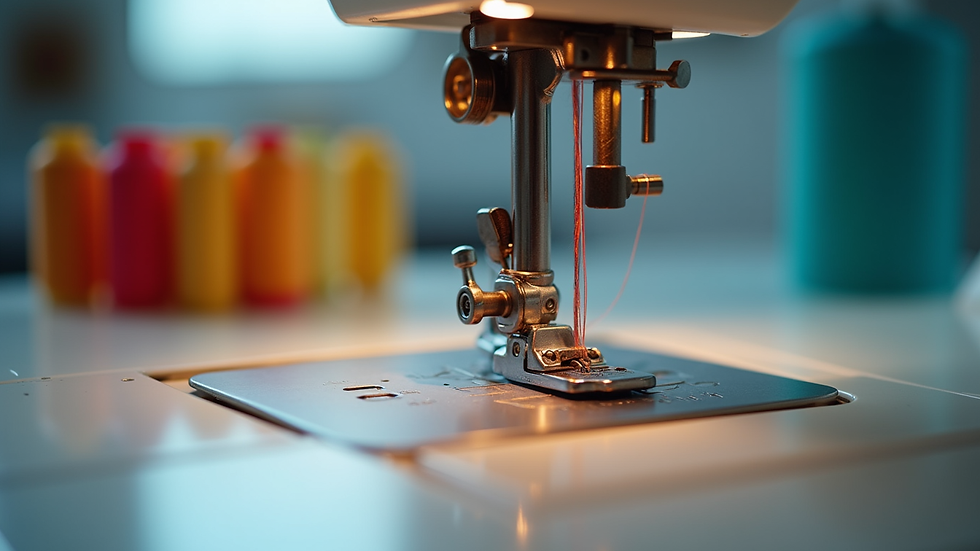
Sewing Machine: A reliable sewing machine is a must-have for any fashion designer. It allows for efficient construction of garments.
Pins and Clips: These tools help hold fabric pieces together while sewing, ensuring accuracy in the final product.
Thread: A variety of threads in different colors and weights is essential for different fabrics and designs.
6. Design Software
In today’s digital age, design software has become an integral part of the fashion design process. Programs like Adobe Illustrator and CorelDRAW allow designers to create digital sketches, patterns, and technical drawings. These tools can enhance creativity and improve collaboration with manufacturers.
7. Dress Forms
Dress forms are invaluable for visualizing how a garment will look when worn. They allow designers to drape fabric and make adjustments in real-time. Having a dress form that matches the target size can significantly improve the fitting process.
8. Notebooks and Journals
Keeping a design journal can help designers track their ideas, inspirations, and progress. This tool is essential for documenting the design journey and reflecting on past projects.
9. Color Tools
Color is a critical element in fashion design. Designers should have tools that help them select and match colors effectively:
Color Wheel: A color wheel helps designers understand color relationships and create harmonious palettes.
Pantone Color Guide: This guide provides standardized colors that can be used for fabric selection and design presentations.
10. Accessories and Embellishments
To add unique touches to designs, having a collection of accessories and embellishments is beneficial. This can include buttons, beads, lace, and other decorative elements that enhance the overall look of a garment.
Organizing Your Tools
Having the right tools is only part of the equation. Organizing them effectively can save time and improve efficiency. Here are some tips for organizing your fashion design tools:
Dedicated Workspace: Create a dedicated workspace that is free from distractions. This space should have all your tools easily accessible.
Storage Solutions: Use containers, drawers, and shelves to keep tools organized. Labeling storage can help you find items quickly.
Regular Maintenance: Regularly check and maintain your tools. Replace worn-out items and keep everything clean and in good working condition.
Conclusion
In the world of fashion design, having the right tools can make all the difference. From sketching tools to sewing machines, each item plays a vital role in the design process. By investing in these essential tools and organizing them effectively, designers can enhance their creativity and productivity.
As you embark on your fashion design journey, consider which tools resonate with your style and workflow. Remember, the right tools not only support your creative process but also empower you to bring your unique visions to life. Start building your toolkit today and watch your designs flourish!


Comments